
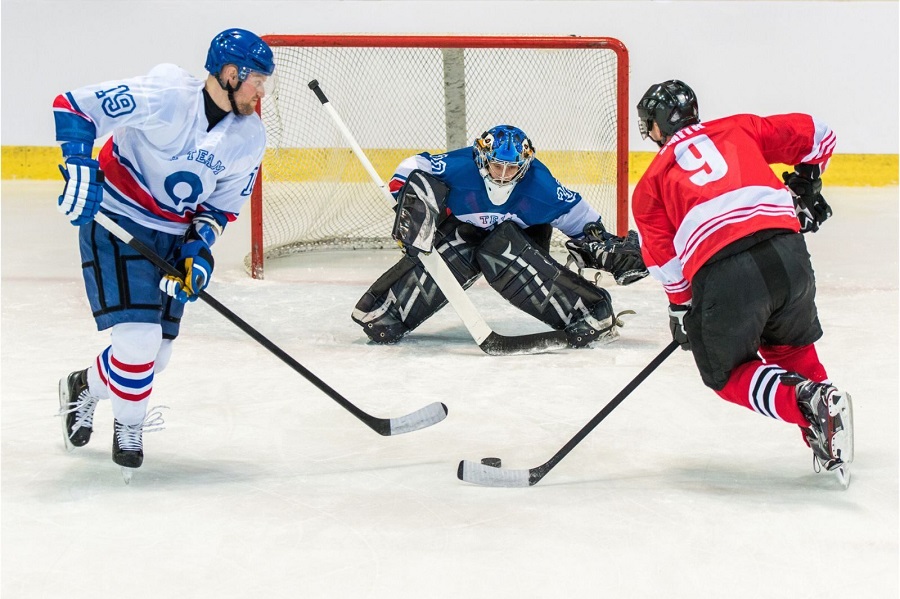
Modern hockey is experiencing a strategic evolution driven by advanced analytics, real-time data modeling, and improved player-tracking technology. Teams are no longer relying solely on intuition to build effective lines or evaluate on-ice synergy. Instead, franchises are embracing a deeply analytical approach that reshapes how coaches form trios, manage matchups, and design systems built for predictable performance. This shift has transformed line chemistry from an abstract coaching intuition into a measurable, repeatable science.
The Evolution of Chemistry from Instinct to Insight
For decades, chemistry was something coaches “felt.” A pair of players communicated effortlessly, someone excelled in creating space, or a winger naturally exploited a center’s passing tendencies. While these observations remain relevant, today’s teams combine them with comprehensive datasets to create a more complete scouting picture. The rise of high-resolution tracking has revealed details such as individual reaction time, off-puck behavior, puck-touch patterns, and micro-route selections during transitions. Coaches can now identify why certain players mesh while others do not, allowing them to construct lines that optimize complementary behaviors rather than relying on chance.
Predictive Modeling and Its Impact on Line Construction
Predictive performance modeling is becoming one of the most influential developments in professional hockey. Teams use past behavior to forecast future outcomes under various conditions. This level of analysis helps clubs build pre-tested line combinations before the season even begins. Predictive models consider factors such as:
-
Expected zone-entry efficiency based on past patterns
-
Anticipated defensive coverage gaps when pairing certain skaters
-
Likely success in specific in-game contexts such as forechecking setups or neutral-zone traps
-
Historical tendencies against individual opponents
This simulation-driven approach leads to smarter decision-making during lineup changes, injuries, or mid-season slumps because the coaching staff has data-backed scenarios ready for execution.
Micro-Synergy: The Small Interactions That Change Everything
Micro-synergy refers to the subtle actions that shape a line’s overall impact. These behaviors often go unnoticed during traditional scouting but significantly influence game outcomes. Modern data systems reveal where synergy either thrives or collapses. Examples include:
-
Timing alignment: How closely players synchronize their stride length, cycle timing, and passing patterns.
-
Spatial instincts: How naturally players occupy complementary spaces without communication.
-
Transition coordination: Whether players accelerate or decelerate in ways that benefit puck carriers.
-
Pressure interpretation: How similarly players read forecheck pressure and react under stress.
A line that excels in micro-synergy can generate controlled entries, create layered scoring chances, and maintain defensive integrity—even without superstar talent.
Chemistry Under Fatigue and Pressure
One of the most under-studied aspects of hockey chemistry until recently was how lines respond under fatigue. Wear-and-tear changes player decision-making, physical mechanics, and on-ice communication. Analytics platforms now evaluate:
-
How often a line collapses structurally in the final 20 seconds of a shift
-
The decline in stride efficiency after extended forechecking
-
Mental processing speed later in games
-
Recovery habits during bench rotations
These insights help coaches manage shift lengths based on real evidence rather than tradition. Some lines are statistically more effective with shorter shifts, while others perform better once they’ve had time to “settle in.” Understanding these patterns gives teams a hidden competitive advantage during tightly contested games.
Opponent-Specific Line Engineering
One of the most innovative evolutions in line chemistry is tailoring units for specific opponents. Instead of relying on a standard top-six and bottom-six alignment, teams now modify combinations based on how opponents move, defend, and transition. For instance:
-
Against a team that relies heavily on stretch passes, coaches may pair players who excel in gap control and back-pressure coordination.
-
Against a forecheck-heavy opponent, a line with faster retrieval habits and quick-release passing may be preferred.
-
Against a team that funnels play to the boards, staff may construct trios skilled at low-cycle reversals.
This shift from “best overall line” to “best situational line” is redefining strategic roster management.
The Role of Behavioral Analytics in Creating Cohesive Lines
While physical performance metrics are crucial, behavioral analytics may be even more influential in modern line-building. Teams analyze non-physical data to predict how players interact, adapt, and respond to adversity. Examples include:
-
Decision-making tempo: How quickly a player processes unfolding situations.
-
Risk thresholds: Whether someone prefers aggressive passes, safe outlets, or balanced options.
-
Communication habits: Verbal and non-verbal communication tendencies that affect on-ice alignment.
-
Adaptability: How swiftly players adjust when a line’s system breaks down.
Matching behavioral profiles can create lines that remain composed, creative, and resilient even during high-pressure moments.
Special Teams Chemistry Through a Data Lens
Line chemistry extends beyond five-on-five play. Power-play and penalty-kill units also benefit from refined analytical insights. Data helps identify:
-
Which players naturally gravitate toward open lanes
-
Who maintains the best passing or shooting angles under pressure
-
Which penalty killers rotate most efficiently within box and diamond structures
-
How quickly players read developing seams or collapsing pressure
This allows coaches to engineer special-teams units that aren’t just talent-based but structurally optimized for rapid execution.
The Future: AI-Assisted Line Chemistry
As artificial intelligence becomes more integrated into professional sports, hockey teams are increasingly interested in machine-learning models that can evaluate potential chemistry before players even skate together. These systems may soon:
-
Map ideal line combinations for upcoming opponents
-
Predict slump cycles and recommend timely adjustments
-
Identify under-the-radar players who complement star personnel
-
Automatically generate mid-game matchup strategies
AI will never replace a coach’s instinct, but it will significantly enhance decision-making by providing evidence-backed recommendations that reduce the margin of error.
FAQs
How does data influence a coach’s in-game line adjustments?
It provides real-time insights on zone entries, puck-support patterns, and defensive gaps, helping coaches adjust lines based on evidence instead of assumptions.
Does analytics reduce the value of player instincts?
No. It enhances instinctive play by pairing athletes whose natural strengths align, allowing them to perform with greater confidence and clarity.
Can chemistry be predicted before players ever share a shift?
Increasingly yes, thanks to behavioral modeling, micro-pattern analysis, and AI-driven projections that evaluate compatibility.
Why do some talented players fail to mesh on the same line?
They may have mismatched pacing, different decision-making tempos, or incompatible spatial tendencies that prevent cohesive play.
Are analytics used differently in the playoffs?
Teams typically increase their reliance on matchup-specific data, emphasizing situational chemistry more than regular-season trends.
How do teams measure off-puck contributions?
Tracking systems analyze routes, back-pressure habits, support positioning, and efficiency during transitions to quantify off-puck impact.
Do players receive data feedback about their own chemistry metrics?
Many organizations provide detailed reports to help players understand how to adapt their habits to strengthen overall line performance.


