
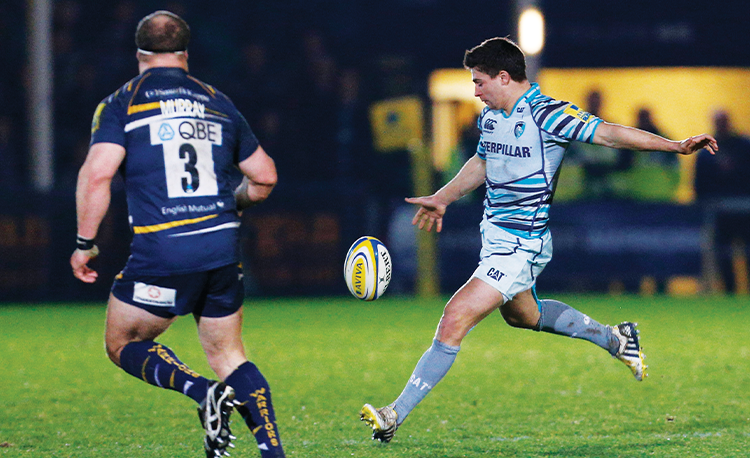
In modern elite rugby, the battle for territorial supremacy has transformed into a hyper-specialized, data-driven contest in which kick-pressure systems play an increasingly decisive role. Far removed from generic discussions of kicking or basic tactical guidance, the intricacies of coordinated pressure systems reveal how top-tier teams manipulate space, tempo, and decision-making to force high-value errors from opponents. This article explores how these systems have evolved, the micro-mechanics behind their execution, and why they now serve as a cornerstone of contemporary high-performance strategy.
Why Kick-Pressure Systems Matter More Than Ever
Long gone are the days when teams viewed kicking merely as a way to relieve defensive strain or gain territory. Today’s elite sides design intentional, multi-layered pressure sequences that convert seemingly routine kicks into opportunities to reclaim possession or create mismatches. These systems are built on:
-
Synchronized defensive lines ensuring no isolation.
-
Pre-trigger communication cues that prepare chasers even before the kick occurs.
-
Spatial mapping to seal off counterattack lanes.
-
Situational risk weighting based on scoreboard, weather, and opposition tendencies.
The evolution from simple chasing lines to structured pressure ecosystems reflects how deeply rugby has embraced analytical nuance.
The Anatomy of a Modern Kick-Pressure System
The Pre-Kick Phase: Setting the Blueprint
Elite teams operate with predetermined frameworks that dictate kick selection and chasing patterns depending on field location, defensive numbers, and opposition back-field coverage. The pre-kick phase involves:
-
Scanning for receiver isolation to identify where pressure will have the greatest effect.
-
Altering forward alignment to disguise kicking intentions.
-
Manipulating defensive tempo, either by rushing or deliberately slowing the ruck, to control how quickly the opposition backfield can reorganize.
What appears as a simple box-kick or grubber is usually the final layer of an extensive pre-kick construction.
The Kicking Execution: Precision Over Power
In top-level rugby, the kicker’s job is less about distance and more about controllability. This includes:
-
Trajectory engineering to limit hang time variability.
-
Directional intent, placing the ball toward known weak receivers.
-
Tempo syncing, releasing the ball at precisely the moment when the chasers reach peak acceleration.
These micro-details influence whether the receiving player catches under duress or has time to initiate a structured counterattack.
The Chase Line: More Than Just Straight Running
A chase line is often misunderstood as a simple sprint toward the catcher. In reality, it is a dynamic, real-time read of opposition movement. Elite chasers adjust:
-
Angle of approach to shut down the receiver’s preferred foot.
-
Acceleration bursts to match the ball’s flight path instead of its destination.
-
Spatial compression to funnel the opposition into traffic.
This level of control allows defenses to dictate not only where the receiver moves, but how fast they must make decisions.
The Collision or Capture Zone
The most pivotal part of the sequence is what occurs at the moment of reception. Teams train for:
-
Dominant-shoulder contact landscapes, ensuring the first defender hits with advantage.
-
Counter-ruck triggers, deploying immediate support to contest turnovers.
-
Secondary sweeper lines to clean up deflections or unpredictable bounces.
This zone determines whether the pressure yields actual tactical value.
How Analytics Are Reshaping Pressure Strategies
Predictive Modeling for Kick Reception Behavior
Teams now use historical data to anticipate how specific players respond under pressure. Predictive models help identify:
-
Receivers who drop their body height under stress.
-
Those who prefer lateral evasion over vertical gain.
-
Opponents whose passing accuracy deteriorates after high-intensity chases.
This allows defending sides to engineer pressure that exploits known behavioral tendencies.
Mapping Optimal Pressure Points on the Field
Analysts break the pitch into micro-zones based on:
-
Return meters conceded.
-
Turnover likelihood.
-
Counterkick vulnerability.
-
Support arrival times.
By knowing which zones favor defensive pressure, teams can intentionally direct kicks toward high-value areas even if they are not the longest or most aesthetically impressive options.
Wear-Down Calculations and Fatigue Profiling
Fatigue plays a major role in backfield play, and top teams quantify this through:
-
GPS-tracked repeat sprint decline.
-
Heart-rate variability patterns after prolonged defensive sets.
-
Cognitive slowdown indicators measured through decision-lag time.
By identifying when opposition back three players are likely experiencing micro-fatigue windows, kick-pressure sequences can be timed for maximal impact.
Role Specialization Within Kick-Pressure Units
Modern rugby features players whose skill sets are built for these systems.
The High-Speed Harrier
This player is responsible for the first wave of contact pressure. Key attributes include:
-
Linear acceleration over short distances.
-
Aerial combat proficiency.
-
Ability to track micro-adjustments by the receiver.
They are the tip of the spear.
The Disruptor
Following just behind the harrier, the disruptor creates chaos at the breakdown or reception point. Their tasks include:
-
Preventing clean setup passes.
-
Contesting or slowing the first ruck.
-
Manipulating body height to force mistakes.
The Width Controller
This is the player who ensures the receiver cannot escape outward, often defending the touchline lane. They require:
-
Lateral quickness.
-
High tactical awareness.
-
Ability to read kicks off the boot with early recognition.
The Secondary Sweeper
Operating deeper, this player reacts to unpredictable events such as:
-
Deflected kicks.
-
Unplanned bounces.
-
Counterattacking surges.
Their role maintains structure behind the aggressive chase, preventing structural collapse.
How Opponents Are Countering Advanced Pressure Systems
Multi-Layered Backfield Structures
Teams now use staggered receiving pods rather than a single catcher, reducing pressure effectiveness. These pods support:
-
Immediate passing chains.
-
Quick-switch counterattacks.
-
Pre-planned wraparound plays to exploit aggressive chasers.
Decoy Movements Before the Kick
Backfield players introduce deceptive patterns designed to mislead kickers about the ideal target zone. These include:
-
Shadow running behind the frontline.
-
False fullback positioning.
-
Dynamic depth shifting.
High-Tempo Kick Returns
Rather than settling for safe receptions, elite receivers now initiate explosive, pre-planned return lines. This disrupts the chase line spacing and forces defenses to react rather than dictate.
The Psychological Layer of Kick-Pressure Systems
Pressure systems often succeed not because of technical superiority, but due to psychological dominance. Teams study:
-
How quickly certain receivers commit to high balls.
-
Who hesitates under aerial traffic.
-
Which defenders struggle to maintain chase intensity late in games.
By targeting these vulnerabilities, teams turn mental hesitation into territory and possession.
The Future of Kick-Pressure Strategy
As teams continue to innovate, future trends may include:
-
AI-enhanced predictive kick paths for real-time decision support.
-
Biometric tracking to time pressure waves precisely to fatigue windows.
-
Hybrid chase structures blending league-style kick pressure with union-specific support sequencing.
The evolution is far from complete, and those who master its next phase will shape the future landscape of elite rugby.
FAQ
How do kick-pressure systems differ between club and international levels?
The tempo, communication bandwidth, and synchronization thresholds are significantly higher at the international level, where defensive structures are more consistent and kick accuracy is more controlled.
Why do some teams avoid aggressive pressure even if it’s effective?
Aggressive pressure can expose defensive width if poorly executed. Teams with slower support runners or less aerial security often opt for conservative patterns.
Which player position benefits most from advanced kick-pressure strategies?
Back row forwards, particularly flankers, gain the most value because the system enhances their turnover-creating opportunities.
How does weather impact pressure structures?
Rain and wind increase unpredictability, prompting teams to adjust chase spacing, reduce kick height, or target less risky zones.
Are short kicks more effective than deep tactical kicks for applying pressure?
Short kicks increase pressure intensity but reduce territorial gain. Their value depends on defensive line density and opponent’s counterattack speed.
Do teams practice pressure systems separately from general defensive training?
Yes. Many elite teams devote entire sessions to aerial combat, chase coordination, and reception-zone breakdowns, treating them as specialized microcomponents.
How early do teams identify opposition backfield weaknesses?
Analysis often begins weeks in advance, incorporating multi-match trends rather than relying solely on the upcoming opponent’s most recent performance.


