
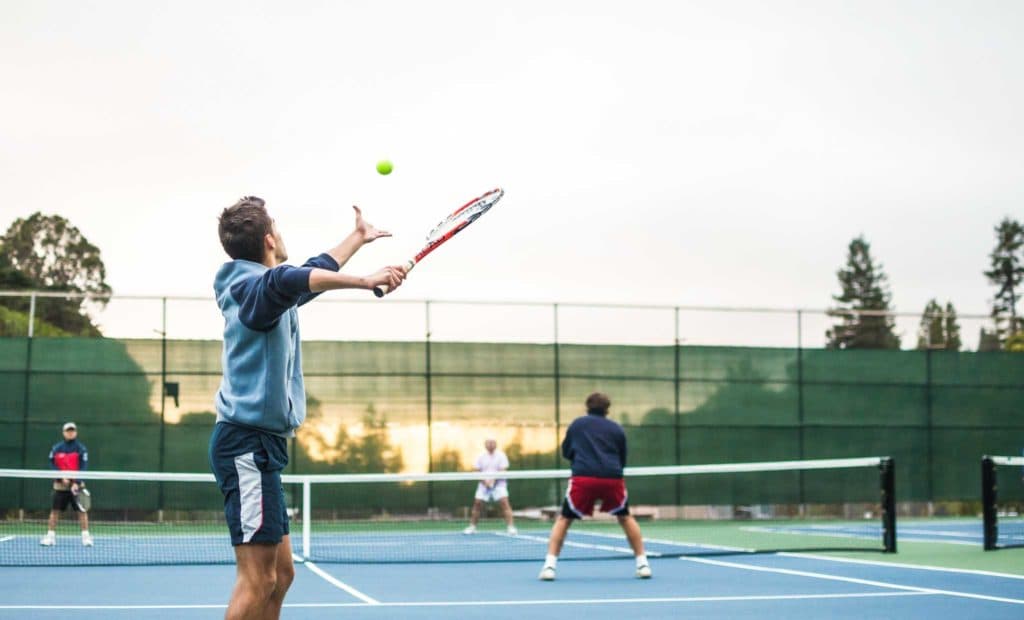
Tennis has entered a new phase—one where physicality alone no longer dictates dominance. At the elite level, every inch of the court, every spin pattern, and every micro-decision during a rally is shaped by advanced analytics, evolving racket technologies, and increasingly diverse playing styles. This strategic renaissance has reshaped the sport from the inside out, influencing how top athletes train, construct points, and adapt to different surfaces under intense competitive pressure.
The Shift Toward Aggressive Patterns of Play
One of the most notable tactical transformations in recent years is the shift toward front-foot, high-position tennis. Instead of relying on attritional baseline exchanges, many top-tier professionals use early ball-striking and court penetration to dictate tempo.
Key Drivers Behind This Trend
-
Shorter reaction windows: As racket and string technology enhance power, players must take the ball early to avoid being pushed behind the baseline.
-
Physical conditioning improvements: Superior footwork, multidirectional explosiveness, and enhanced recovery allow players to maintain aggressive court positions longer.
-
Analytical insights: Data shows that stepping inside the baseline reduces opponent decision time and increases forced errors.
The New Offensive Blueprint
The modern offensive player emphasizes:
-
Heavy inside-out and inside-in forehand patterns
-
Frequent use of short-angle cross-court shots to open space
-
Early backhand redirects down the line to flip rally momentum
-
Serve +1 combinations designed to control the center of the court
This approach places continuous psychological pressure on opponents, forcing them into defensive patterns long before they can construct tactics of their own.
The Rise of Data-Driven Micro-Tactics
Elite players now rely heavily on advanced analytics—pattern mapping, depth charts, spin metrics, and point-sequence probabilities—to refine rally tactics.
How Micro-Tactics Influence Matchplay
1. Depth Zoning
Players use depth charts to decide when to transition from neutral shots to aggressive ones. They practice hitting specific zones—deep middle, high forehand corner, or low-skid backhand zones—to disrupt timing.
2. Spin Modulation
Instead of applying uniform topspin, modern athletes vary spin density to alter bounce height, making it difficult for opponents to attack predictable patterns.
3. Return Patterns
Players analyze opponents’ serve tendencies to pre-position before the toss, often moving subtly to disguise their intentions.
4. Situation-Based Decision Making
Analytics highlight which patterns outperform others at 30-30, deuce, or break point. Players train to execute statistically superior patterns under pressure, blending intuition with probability.
These micro-tactics no longer supplement gameplay—they define it.
Surface-Specific Adaptations at the Professional Level
High-level tennis is increasingly surface-specialized. Contrary to past eras, where many courts played similarly, today’s differences between clay, grass, and hard courts produce dramatic tactical variations.
Hard Courts: The Battleground of Hybrid Styles
Hard courts reward:
-
Early ball-striking
-
Heavy first-strike forehands
-
Broad directional changes
Players often build points around the serve + big forehand, using semi-open stances to redirect pace while maintaining balance.
Clay Courts: The Home of Patience and Wear-Down Patterns
On slower clay, players emphasize:
-
Higher-arching topspin trajectories
-
Extended physical rallies
-
Deep cross-court patterns to push opponents wide
Strategically, clay encourages attritional pressure—forcing errors through consistency, not risk.
Grass Courts: Precision Over Power
Grass courts benefit:
-
Low-skidding slices
-
Quick first-strike patterns
-
Sharp net approaches and short-hop pickups
The best grass players focus on extracting short balls and using disguised serves to produce weak returns.
These adaptations require athletes to maintain three distinct tactical identities—one for each surface—while still preserving their core strengths.
Hidden Transition Battles: Neutral vs. Offensive Momentum
The sport’s most decisive moments occur not during baseline trading or finishing shots, but during the transition phases where control of the rally shifts.
The Three Crucial Transitions
1. From Defense to Neutral
Players use high, heavy, cross-court balls or deep lobs to reset the point, buying time while re-establishing ideal court spacing.
2. From Neutral to Offense
Modern strategy emphasizes the “opportunity ball,” a slightly shorter or slower shot that enables athletes to step in and redirect pressure.
3. From Offense to Finish
Data shows many attackers fail to convert advantage positions into winners. Elite performers practice finishing patterns—angled volleys, inside-in forehands, or deep push-back backhands—to secure the final blow.
Mastery of these momentum transitions separates top-50 players from top-5 contenders.
The Mental Architecture Behind Strategic Execution
Tactical excellence requires more than physical skill—it relies on mental automation, pattern trust, and emotional regulation under high stakes.
The Psychological Layers of Tactical Performance
-
Cognitive Clarity: Players who mentally simplify patterns reduce decision fatigue, enabling faster processing during rallies.
-
Emotional Neutrality: Remaining calm after errors maintains pattern discipline instead of slipping into reactive play.
-
Match-Specific Adjustments: Elite athletes adapt patterns based on opponent tendencies rather than abandoning their game identity.
-
Pressure Management: High-leverage points are approached with pre-planned tactical scripts, minimizing hesitation.
Mental sharpness ensures that high-percentage patterns remain dependable even under intense stress.
The Impact of Racket and String Innovation on Strategy
Equipment advancements have shaped modern tennis strategy more than many realize.
Key Innovations Influencing Tactics Today
-
Spin-enhancing string patterns that enable controlled aggression
-
Lighter, stiffer rackets producing faster ball speeds with smaller swings
-
Hybrid string combinations balancing power and touch
-
Personalized racket customization for weight distribution, swing speed, and vibration control
These innovations empower players to execute advanced patterns with consistency that was nearly impossible in earlier eras.
Training Methodologies Behind High-Level Strategy
Elite training programs now combine biomechanics, analytics, and situational repetition.
Essential Components of Modern Tactical Training
Video-Based Pattern Drills
Players rehearse specific sequences repeatedly to internalize shot choices.
Biomechanical Footwork Modules
High-level footwork focuses on explosive loading, recovery steps, and diagonal transitions that mirror match realities.
Match-Play Simulations
Coaches design scenario-based points—0-40, tight games, long deuce battles—to reinforce mental and tactical patterning.
Surface-Adaptive Drills
Athletes practice distinct movement patterns for clay sliding, grass stability, and hard-court explosiveness.
Strategic excellence is now built deliberately, not organically.
FAQs
1. How has data analysis changed in-match decision-making for professional players?
Analytics provide real-time insights into serve patterns, rally length expectations, and optimal shot placements, allowing competitors to modify tactics with greater accuracy.
2. Why do top players use different tactical identities on each surface?
Each court type modifies bounce, speed, and movement demands, making it necessary to deploy surface-specific shot patterns and spacing strategies.
3. How does mental fatigue influence shot selection late in matches?
When under cognitive load, players often revert to instinctive patterns; well-trained athletes ensure their instincts align with high-percentage strategies.
4. What role does string tension play in tactical execution?
Higher tension enhances control but reduces power, enabling precise angles and redirects, while lower tension generates deeper, heavier shots ideal for defensive patterns.
5. Why has aggressive inside-baseline positioning become so dominant?
It reduces opponent reaction time, increases court penetration, and allows attackers to command rally tempo earlier.
6. How do elite players prepare for extreme momentum shifts during matches?
They rehearse scripted responses to tactical swings—such as slowing rally pace, using safer patterns, or re-establishing depth control—to regain stability.
7. What makes transition zones so critical in modern tennis?
Transition phases determine who sets the tone for the rally; mastering these shifts often decides the match’s psychological and tactical flow.


