
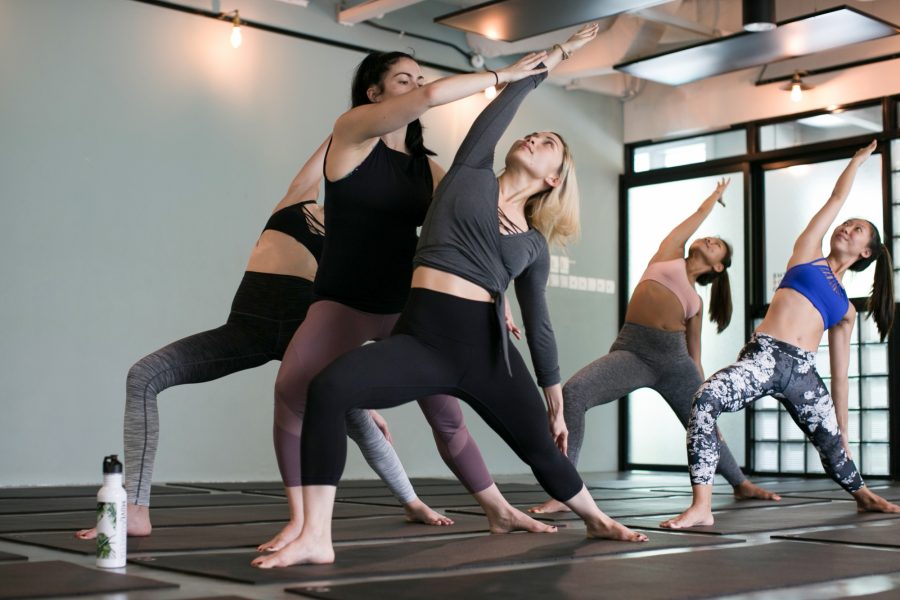
Athletes in high demand sports rely heavily on stability. Whether running, lifting, jumping or changing direction at speed, the body must stay grounded and responsive. Stability is not just about balance, it is a combination of joint control, muscular coordination, focused breathing and a strong mind body connection. Many athletes in Singapore now recognise that traditional training alone is not enough to support long term performance. This is why they incorporate sessions in yoga places in Singapore, where carefully structured movement helps develop the kind of stability required for peak performance in demanding sports.
Stability becomes even more important as training intensity increases. Sports such as football, basketball, martial arts, badminton, athletics and tennis require fast changes in direction, dynamic power and precise footwork. When athletes lack stability, performance drops and injury risk increases. Studio based yoga training helps athletes strengthen supporting muscles, improve alignment and build the core control needed to execute complex movements safely and efficiently.
Understanding Athletic Stability and Why It Matters
Athletic stability refers to the body’s ability to maintain control during movement. It involves the coordination of multiple systems, including joints, muscles, tendons, ligaments and the nervous system. High demand sports place heavy pressure on the ankles, knees, hips and lumbar spine. Without proper stability, these areas are more vulnerable to strain.
Good stability contributes to:
-
Increased power output during movement
-
Reduced risk of twisting injuries
-
Better landing mechanics
-
More accuracy during fast footwork
-
Improved overall performance
-
Higher endurance during training
Athletes who build stability through yoga often notice that their sport technique becomes more consistent and easier to sustain under pressure.
How Yoga Supports Multi Directional Stability
Most sports require multi directional movement. Athletes must move forward, backward, diagonally and laterally with speed and control. Yoga helps athletes develop stability in all directions by strengthening deep muscles that traditional gym routines often overlook.
Yoga builds multi directional stability through:
-
Controlled transitions between poses
-
Engagement of the core during every movement
-
Training smaller stabilising muscles around major joints
-
Enhancing balance and awareness of body alignment
-
Improving distribution of body weight
These benefits translate directly to better on field or on court performance.
Strengthening the Ankles for High Impact Movements
The ankles are the foundation of almost every sport. They absorb impact, support direction changes and help maintain balance. Weak or unstable ankles can lead to sprains, reduced agility and difficulty maintaining proper form during training.
In yoga studios, athletes work on:
-
Slow balancing poses that strengthen ankle stabilisers
-
Gentle stretches that improve ankle mobility
-
Controlled foot placement to improve proprioception
-
Techniques that improve grounding through the feet
These practices help athletes push off the ground more powerfully, land more safely and maintain better control during rapid movement.
Enhancing Knee Stability Through Proper Alignment
The knees are heavily used in sports that involve sprinting, jumping or heavy squatting movements. Knee injuries are common when alignment is compromised. Yoga emphasises alignment in every pose, teaching athletes how to track the knee correctly over the foot and engage supporting muscles.
Yoga improves knee stability by:
-
Strengthening the quadriceps and hamstrings evenly
-
Activating the glutes to support knee function
-
Teaching correct hip knee foot alignment
-
Reducing tension in the IT band
-
Improving balance during unilateral movements
These improvements protect the knees during intense training and competitions.
Hip Stability as the Centre of Athletic Movement
The hips play a central role in power generation, direction changes and overall athletic rhythm. Tight hips limit mobility while weak hip stabilisers reduce control. Yoga provides a balanced combination of strength and flexibility that helps athletes maintain healthy hip function.
Hip stability is developed through:
-
Controlled hip openers that increase range of motion
-
Strong standing poses that activate the gluteus medius
-
Core strengthening poses that support the hip joint
-
Twisting poses that help reduce lower back tension
-
Breath controlled movement that enhances coordination
With improved hip stability, athletes can pivot, sprint, jump and land more efficiently.
Building a Stable Core for Sport Specific Performance
The core is more than visible abdominal muscles. It includes deep muscles in the abdomen, lower back and pelvic region. These muscles stabilise the spine and support every movement in sports. Yoga places heavy emphasis on core engagement through slow, controlled poses.
Yoga enhances athletic core stability by:
-
Strengthening deep stabiliser muscles
-
Reducing compensatory movement patterns
-
Teaching athletes how to brace the core safely
-
Supporting spinal alignment during dynamic action
-
Improving rotational strength for sports like tennis or badminton
A strong core improves both speed and precision in sport performance.
Improving Shoulder Stability for Overhead and Power Based Sports
Sports such as swimming, volleyball, tennis and cricket rely heavily on shoulder function. Shoulder instability can lead to poor performance and increase the risk of strains. Yoga strengthens the shoulder girdle through controlled movement and balanced strengthening.
Yoga promotes shoulder stability through:
-
Strengthening muscles around the rotator cuff
-
Opening tight chest muscles
-
Improving scapular positioning
-
Supporting better posture for overhead movements
-
Enhancing coordination between arm and trunk
As shoulder stability improves, athletes perform more smoothly and efficiently in overhead actions.
Enhancing Proprioception and Body Awareness
Proprioception, the sense of where the body is located in space, is essential for sports. Athletes must know exactly how their bodies move to execute precise techniques. Yoga improves proprioception by teaching athletes to pay attention to subtle shifts in weight and alignment.
Yoga enhances body awareness through:
-
Slow paced transitions
-
Balance challenges
-
Breath linked movement
-
Mindful focus during holds
-
Sensory awareness of joint positioning
This translates into more confident and coordinated athletic movement.
The Role of Breathwork in Athletic Control
Breath is often overlooked in sports performance, but it plays a crucial role in stability. Shallow, hurried breathing reduces control, increases tension and disrupts rhythm. Yoga integrates breathwork into all aspects of movement, helping athletes build steady, controlled breathing patterns.
Benefits of breathwork for athletes include:
-
Improved endurance
-
Better focus during high intensity actions
-
Reduced anxiety before competitions
-
Enhanced stability during dynamic moves
-
More efficient recovery during breaks
With a trained breath pattern, athletes find greater consistency in performance.
How Yoga Reduces Imbalances Created by Repetitive Training
Sports training often involves repetitive movements. This repetition strengthens certain muscles while neglecting others, creating imbalances that affect stability. Yoga offers a balanced approach that counteracts these imbalances by strengthening and lengthening muscles evenly.
Yoga reduces training imbalances by:
-
Stretching overused areas
-
Strengthening underused stabilisers
-
Encouraging symmetrical movement patterns
-
Improving joint support
-
Reducing chronic tension
This balanced approach supports long term performance and reduces injury risk.
Why Studio Environments Enhance Athletic Benefits
While athletes can attempt stretches at home, studio environments provide a structured setting that enhances stability training. Yoga studios are purpose built, offering the right flooring, spacing, temperature and guidance needed for safe movement.
Studio environments support athletes by:
-
Offering clear instructions
-
Providing props for safer alignment
-
Creating a calm atmosphere for focused training
-
Reducing distractions
-
Encouraging consistency in practice
This environment allows athletes to strengthen their bodies more effectively than with self guided routines.
Real Life Improvements Athletes Notice
Athletes who incorporate yoga into their training often report noticeable changes within a few weeks. These improvements directly influence their performance in sports.
Common improvements include:
-
Increased agility
-
Stronger joints
-
More efficient power movements
-
Better control during fast directional changes
-
Enhanced landing mechanics
-
Less muscle fatigue
These changes help athletes perform at a higher level with reduced risk of injury.
Long Term Benefits of Stability Training for Athletes
High demand sports place long term strain on the body. Stability focused yoga training helps athletes protect their joints, build muscular endurance and maintain consistency throughout their careers.
Long term benefits include:
-
Longevity in competitive sports
-
Healthier joints into later adulthood
-
Improved recovery after intense sessions
-
Reduced injury downtime
-
Greater confidence in movement
Many athletes continue yoga even after retiring from competitive sports due to its long lasting physical benefits.
Towards the more advanced stages of their training journey, athletes often explore studios such as Yoga Edition, where the environment supports precise movement, mindful transitions and deeper stability development.
FAQ
Q. How often should athletes attend yoga sessions for stability improvement?
Two to three sessions a week provide strong results. Even one session can help maintain joint health during intense training periods.
Q. Can yoga improve agility in fast paced sports?
Yes. Increased body awareness, core control and ankle stability significantly improve agility and quick directional changes.
Q. Will yoga reduce injury risk for athletes?
Absolutely. Improved stability reduces strain on joints, prevents overuse injuries and supports safer movement patterns.
Q. Do athletes need previous yoga experience?
No. Instructors provide modifications to ensure beginners and advanced practitioners benefit safely.
Q. Does yoga affect power output in sports?
Yes. A stable body produces more controlled, efficient power, improving overall athletic performance.